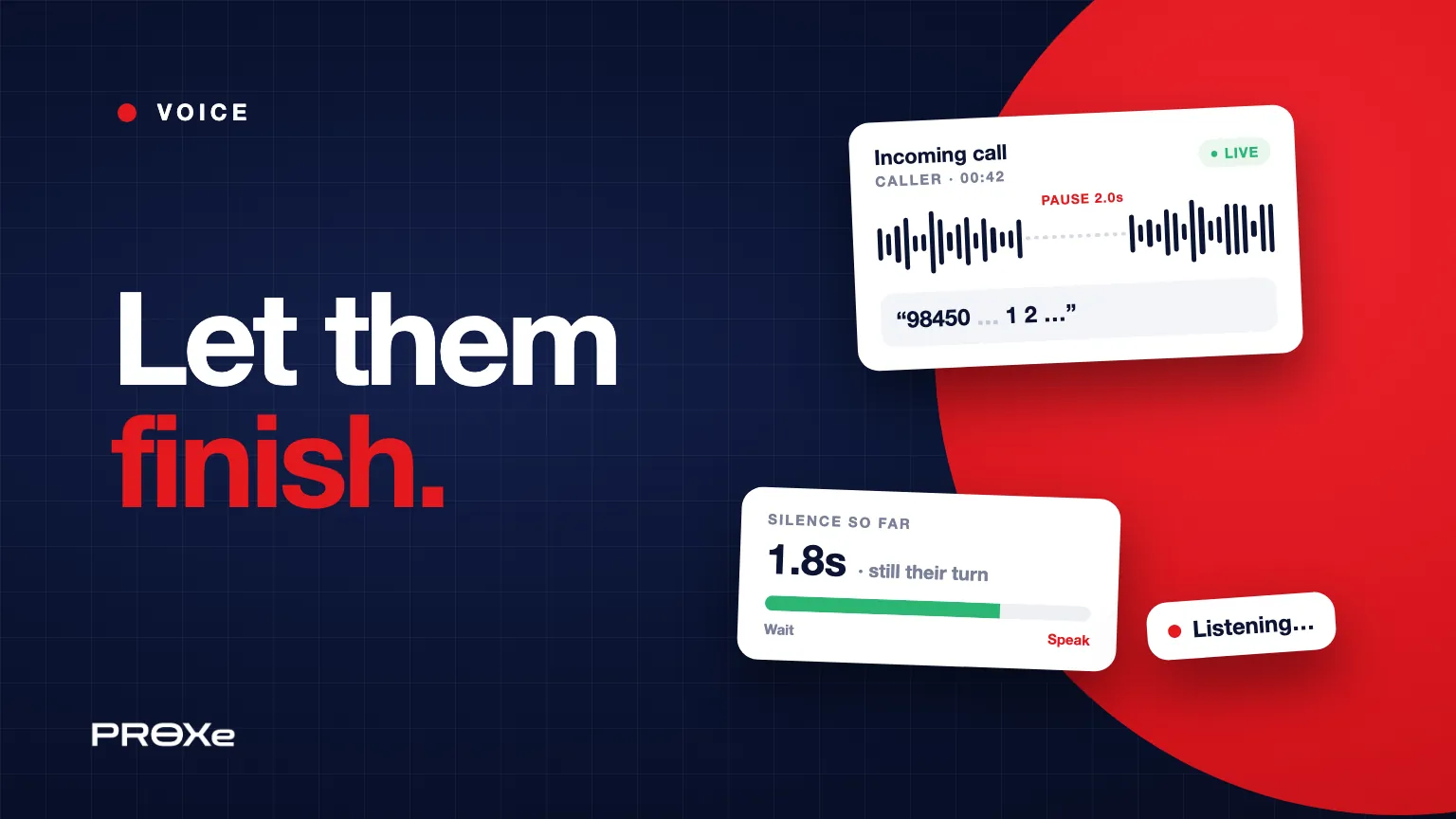

Clinic, academy and service owners ask a plain question before they put an AI on their phone line: "will it talk over my customers?"
It is a fair worry. Most of us have been on a call where the machine on the other end starts speaking before we finished. It feels rude, and you hang up.
Here is what is actually going on, what changed this week, and what to test before you trust any voice agent with your callers.
Why voice agents cut people off
Many voice agents decide you are done by timing the silence. If you stop for a set fraction of a second, the agent assumes it is its turn.
Real people pause all the time. They think. They look for a pen. They read out a phone number or a date of birth in chunks: "nine eight four... zero... " and the agent jumps in.
The engineers who build these systems describe a trade-off. Hamming, a voice agent testing company, writes that lower silence thresholds make an agent feel responsive but cause false interruptions, and higher ones reduce that but leave callers feeling trapped. LiveKit's documentation shows the same timing is a setting developers tune. Both sell in this space, so read them as practitioner notes and not as neutral research. We did not find independent data on how many callers hang up because of it.
What changed this week
This week ElevenLabs announced Scribe v3 Live, a speech to text model for real time use (its post is dated 10 November, The Decoder covered it on 12 November). The Decoder reports that current voice agents often rely on rigid pause timers and cut callers off when they pause to think or read out numbers. ElevenLabs says its new model looks at the context of the conversation along with the audio, so it can tell when a speaker has actually finished.
Two honest caveats:
- This is the company's own description. We found no independent test of it.
- ElevenLabs says Hindi accuracy improved 36% against its previous real time model, which is its own figure. Its post also says Indian customers asked for Hindi to match English, including switching mid-sentence. That is a request, not proof it is solved. Check it on your own calls.
The direction is still useful to know. The industry has named the problem and is working on it. That does not mean every voice agent on the market has it solved today.
Five things to test before you trust a voice agent
Do this with your own phone, not a demo script.
- Read out a number slowly. Say your phone number in chunks with a two second pause in the middle. Does it wait?
- Pause mid-sentence. "I wanted to ask about... the Saturday batch." Does it speak over the gap?
- Mix languages. Speak the way your customers speak. Hinglish, a Kannada word, a clinic term. We wrote about Hinglish and voice notes earlier.
- Talk over it on purpose. If you interrupt, does it stop and listen, or carry on?
- Ask something it should not answer. A fee exception, a medical question. It should say a person will follow up, not guess. This is the point of fast voice AI still needs the right answers.
Write down what went wrong. If it fails on number 1, your patients will hit that on day one.
Being cut off is not the only cost
A caller who is interrupted twice rarely calls back. A missed call is still a lead, and so is a call that went badly. What matters is what happens after the call ends: does someone on your team see what was said and call back on the right thing?
Also decide, in writing, what the voice agent says about itself. See should your AI caller say it is an AI.
Where PROXe fits
We are not claiming PROXe has solved turn-taking, and we do not tell you which speech model sits underneath. Test it on your own calls: the sandbox lets you try the voice agent with your own brand details before a single real caller hears it.
What we can speak to is what happens around the call:
- PROXe has a voice agent, and the call lands in the same thread as that customer's WhatsApp, Instagram or website chat. Nobody on your team starts from zero.
- What the agent says about fees, hours and booking comes from your brand details, one source your team also reads from.
- When the caller needs a person, the handover carries the full conversation, so they are not asked again. See handoff without starting over and when they ask for a person.
The idea stays the same: your team on the right lead at the right moment. For a clinic, the clinics page shows how the front desk works from one thread. Plans are on the pricing page, or book a demo and bring your own awkward call to test.
Questions people ask
Why do AI voice agents interrupt callers?
Many voice agents decide a caller has finished by timing the silence. When people pause to think or read out a phone number in chunks, the agent can take the pause as its turn and start speaking.
Has this problem been solved?
Vendors are working on it. ElevenLabs says its Scribe v3 Live model uses conversation context to tell when a speaker has finished, but that is the company's own description and we found no independent test. Check any voice agent on your own calls.
How do I test a voice agent before using it?
Call it from your own phone. Read out a number slowly with a pause in the middle, pause mid-sentence, mix languages the way your customers do, talk over it on purpose, and ask something it should not answer. Note every time it speaks over you.
Today's step: call your own number and read it out slowly, with a pause in the middle. Note whether anyone, human or machine, talks over you.
Related
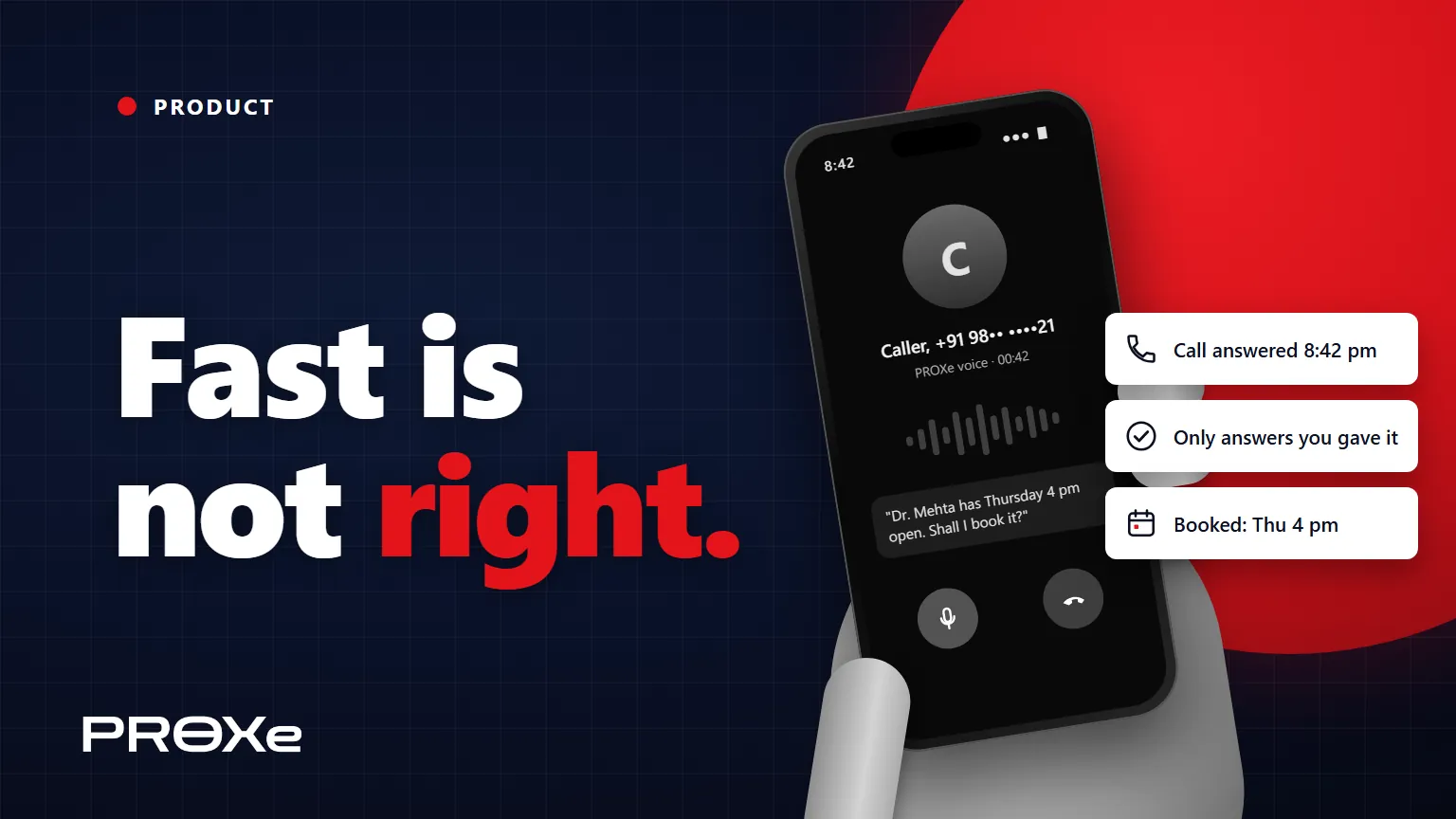
Fast voice AI still needs the right answers
Voice AI is now quick enough for live calls. For a clinic, academy or real estate desk, what it is allowed to say matters more than how fast it talks.
October 21, 2026 · 5 min read
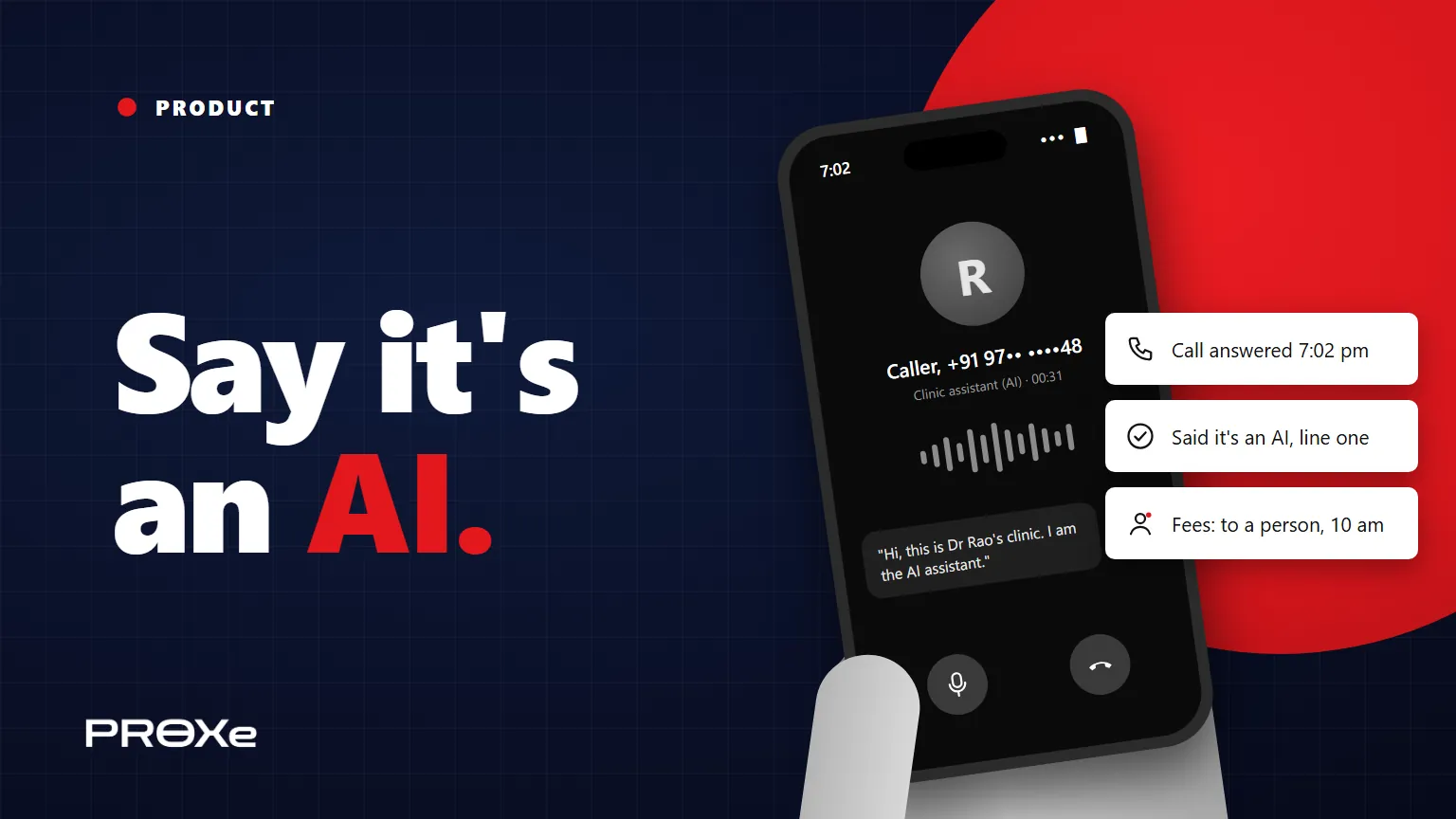
Should your AI caller say it's an AI?
AI voices now sound human. If an AI answers your clinic or academy phone, here is what to tell callers, what it may say, and when a person steps in.
October 25, 2026 · 5 min read
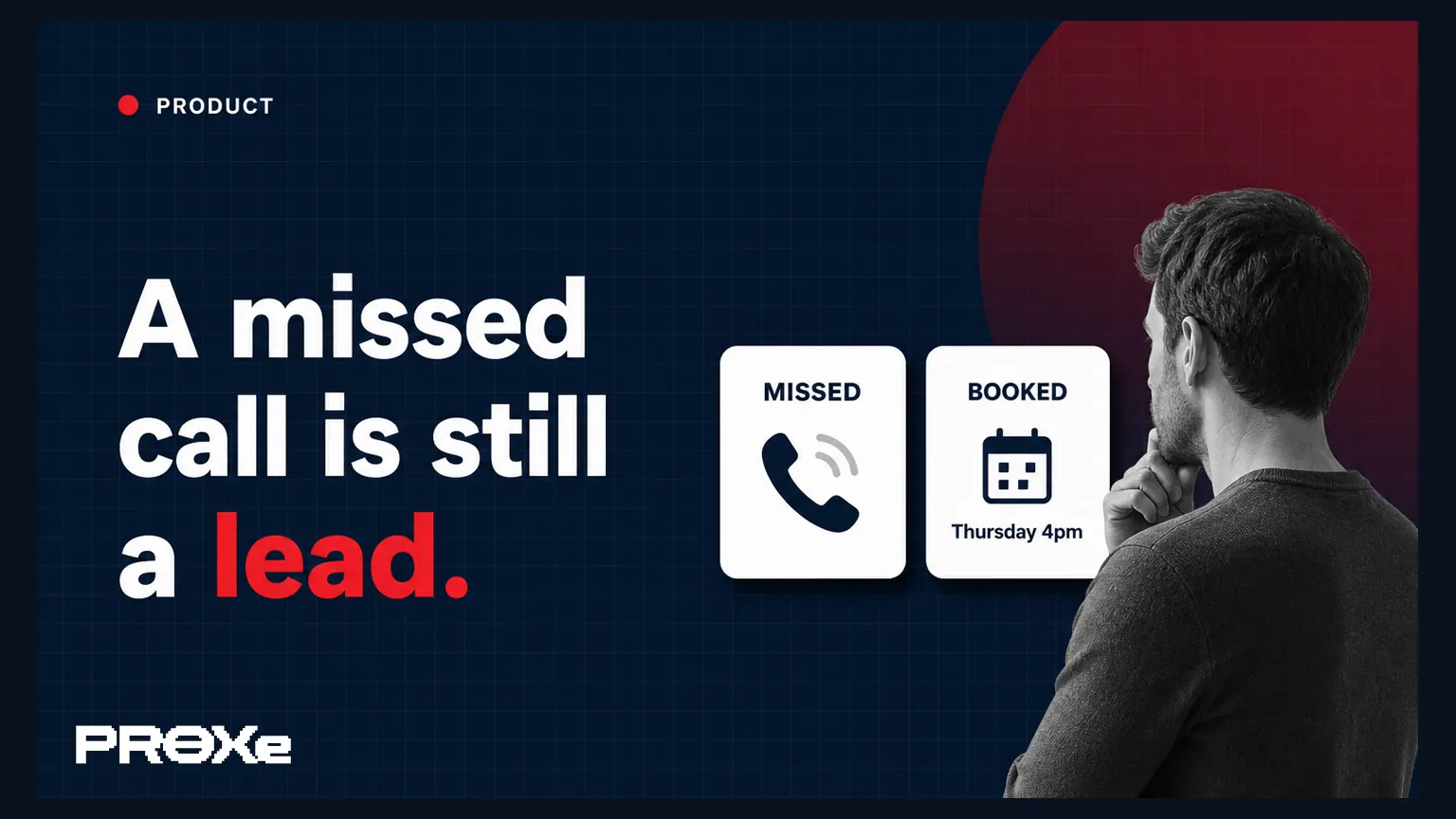
Missed call still a lead: call back before they book elsewhere
A missed call is still a lead. A ring is not a booking. Call back, qualify, book before they choose the next number.
February 19, 2026 · 3 min read
Recent
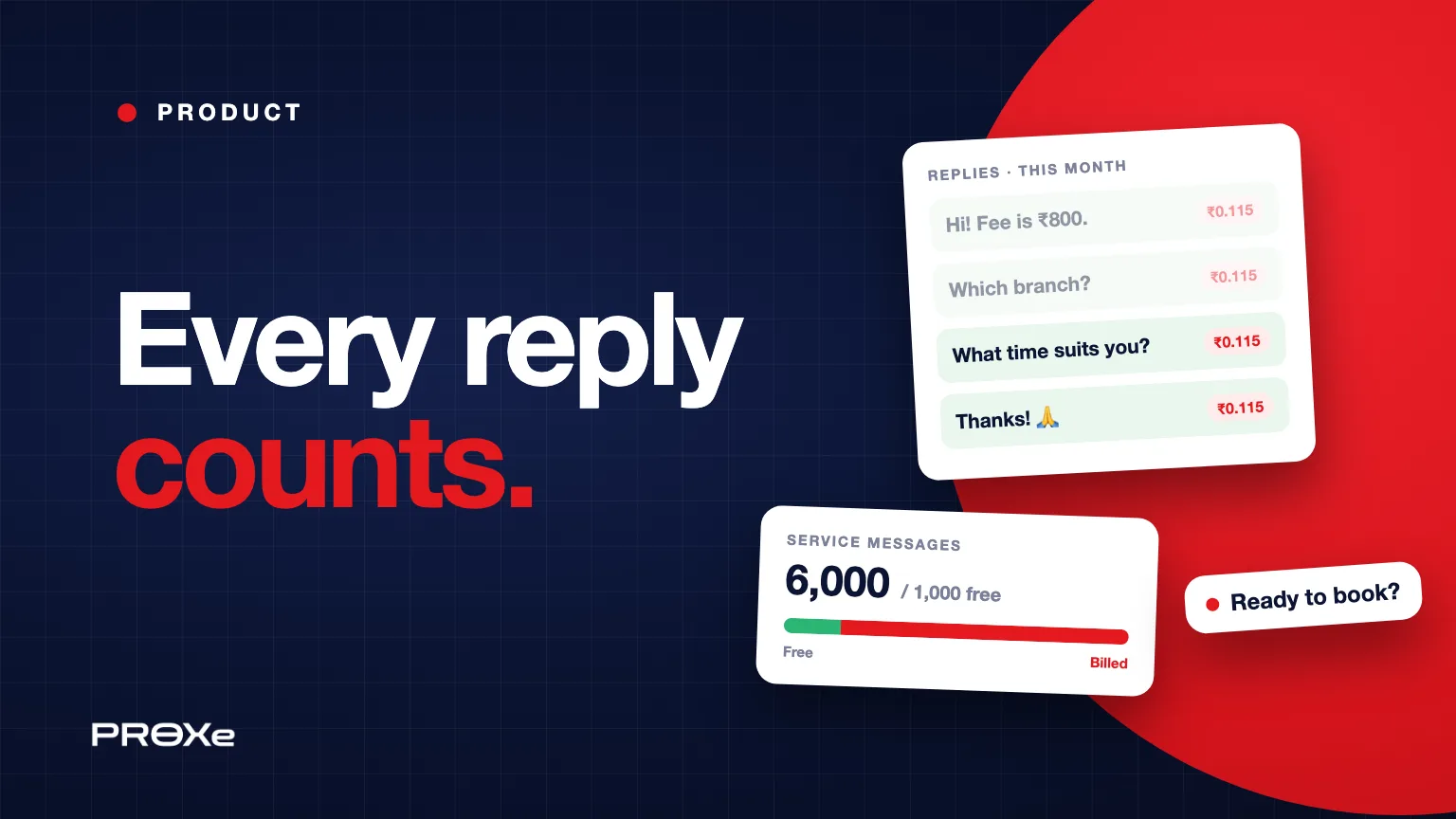
WhatsApp now charges for replies in India. What to do?
From 1 October 2026, free-form WhatsApp replies on the Business Platform in India are billed after 1,000 a month. A plain checklist for owners.
November 14, 2026 · 5 min read
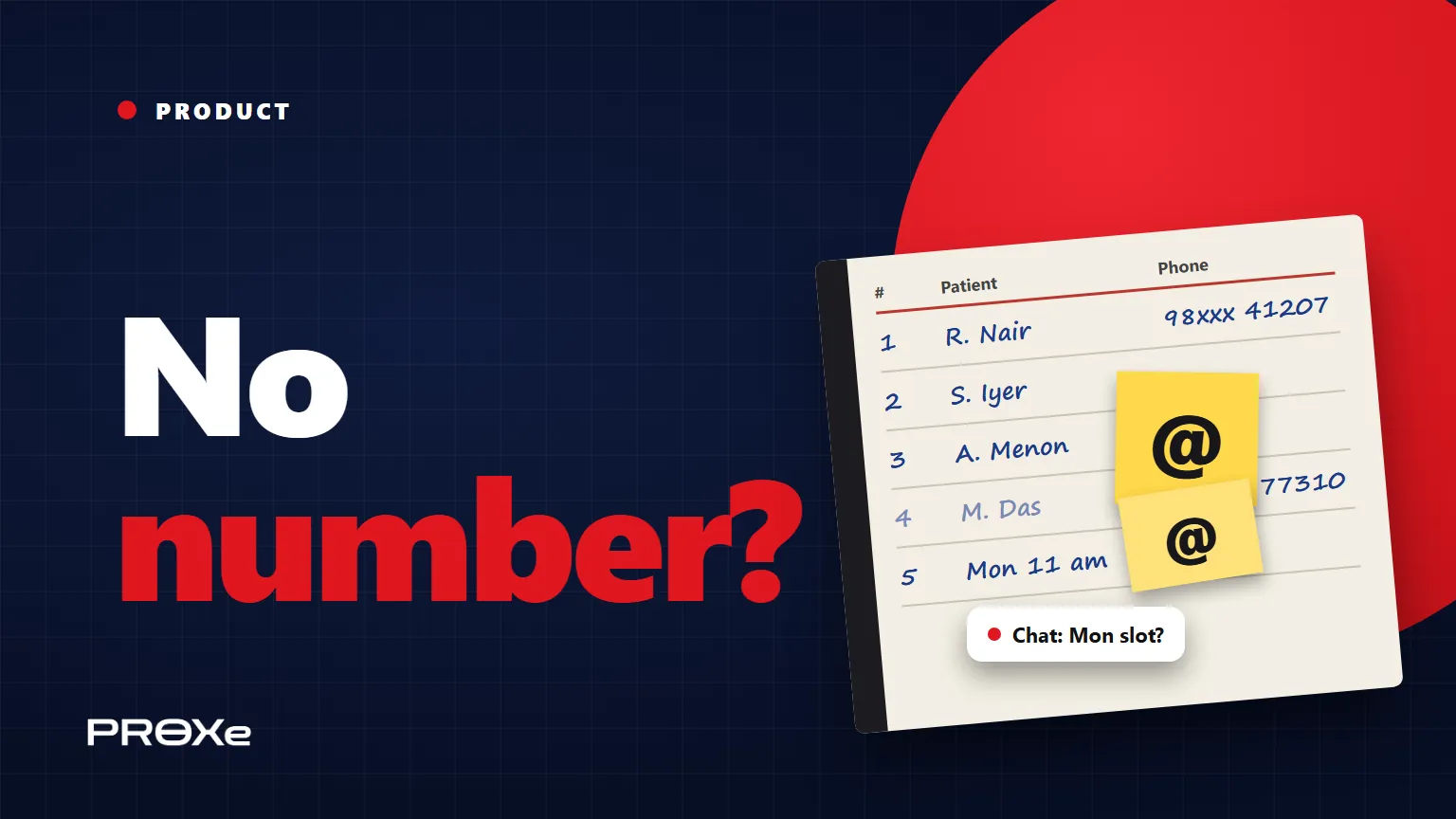
WhatsApp usernames: what if the number is hidden?
WhatsApp now lets people hide their phone number behind a username. What it means for your follow-up and what to do this week.
November 2, 2026 · 4 min read
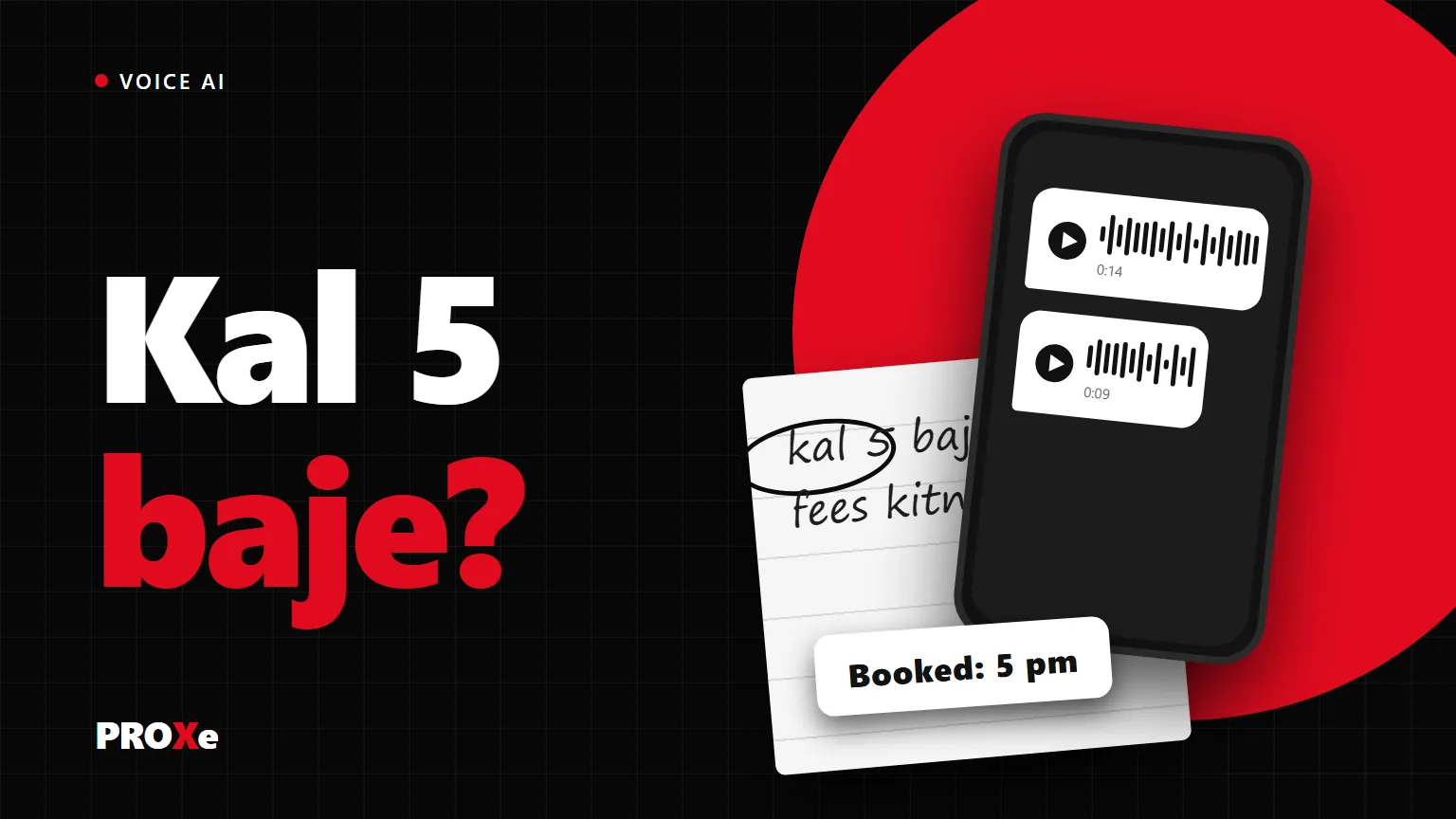
Will an AI understand your customers' Hinglish?
Customers send Hinglish voice notes and call in a mix of Hindi and English. A plain 10-message test for service businesses before an AI answers for you.
October 30, 2026 · 5 min read
